



Humane and effective wildlife removal for homes and businesses across Niagara, with solutions designed to protect your property and the animals involved.
Proudly serving St. Catharines, Niagara Falls, Welland, Fort Erie, Grimsby, Port Colborne, and Niagara-on-the-Lake. Trust Skedaddle’s proven process to identify the problem, remove wildlife humanely, and help prevent it from coming back.
The region’s mix of established neighbourhoods, growing urban areas, farmland, green space, and waterways creates ideal conditions for wildlife to live close to people. In communities across the region, animals such as raccoons, squirrels, mice, bats, skunks, and birds often take advantage of attics, soffits, vents, roofs, decks, and wall cavities when they find easy access.
Skedaddle brings deep local roots and decades of humane wildlife control experience, giving homeowners and businesses a trusted partner that understands both the local landscape and the behaviour of the animals causing the problem.
What Is The Best Way To Remove Wildlife From your Home In Niagara?
The most effective way to remove wildlife in Niagara is through humane, professional services that safely remove animals, identify entry points, and prevent re-entry. Experts also clean contaminated areas and repair damage, ensuring a long-term solution that protects both your property and the animals involved.
Most Common Wildlife Problems Affecting Niagara Properties
Wildlife activity changes with the seasons, and that has a direct impact on local homes and businesses. Cold winters, frequent freeze-thaw cycles, and lake-influenced weather can push animals to seek warmth and shelter in attics, garages, crawl spaces, and under decks. In spring, breeding and nesting activity ramps up, which is when raccoons, squirrels, birds, and skunks often look for safe places to raise their young.
Skedaddle’s team understands these seasonal patterns and uses humane, property-specific strategies to remove animals safely and help prevent repeat intrusions.
- Raccoon Removal: In established neighbourhoods and quieter residential areas, raccoons often tear into soffits, roof edges, or garages to create dens. Homeowners may hear heavy movement overhead at night, while businesses can notice activity around dumpsters, flat roofs, or rear service areas.
- Squirrel Removal: In areas with mature trees and older homes, squirrels can use overhanging branches and rooflines to access attics. Once inside, they may chew wood, wiring, and insulation, creating noise in ceilings and walls and increasing the risk of costly electrical or structural damage.
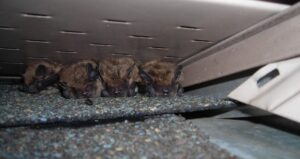
- Bat Removal: Older homes, barns, and roof structures can provide ideal roosting spaces for bats. Property owners may notice droppings in the attic, dark staining near entry gaps, or hear fluttering and chirping sounds around dusk as bats leave and return.
- Bird and Pigeon Control: Birds and pigeons often settle in vents, eaves, warehouse ledges, storefront signage, and rooftop equipment areas. For homeowners and commercial properties alike, this can lead to blocked ventilation, frequent mess near entrances, and ongoing problems with noise, odours, and droppings.
- Mice and Rat Control: As temperatures drop, mice and rats can move into kitchens, basements, crawl spaces, storage rooms, and utility areas through surprisingly small gaps. In both homes and businesses, droppings, gnaw marks, and scratching behind walls are often signs that the problem is already growing.
What to Watch For
Early warning signs like scratching sounds, droppings, strong odours, nesting debris, or stains around vents and rooflines should never be ignored. Acting quickly can help reduce damage to insulation, wiring, and building materials while also lowering the risk of contamination and ongoing wildlife activity inside the property.
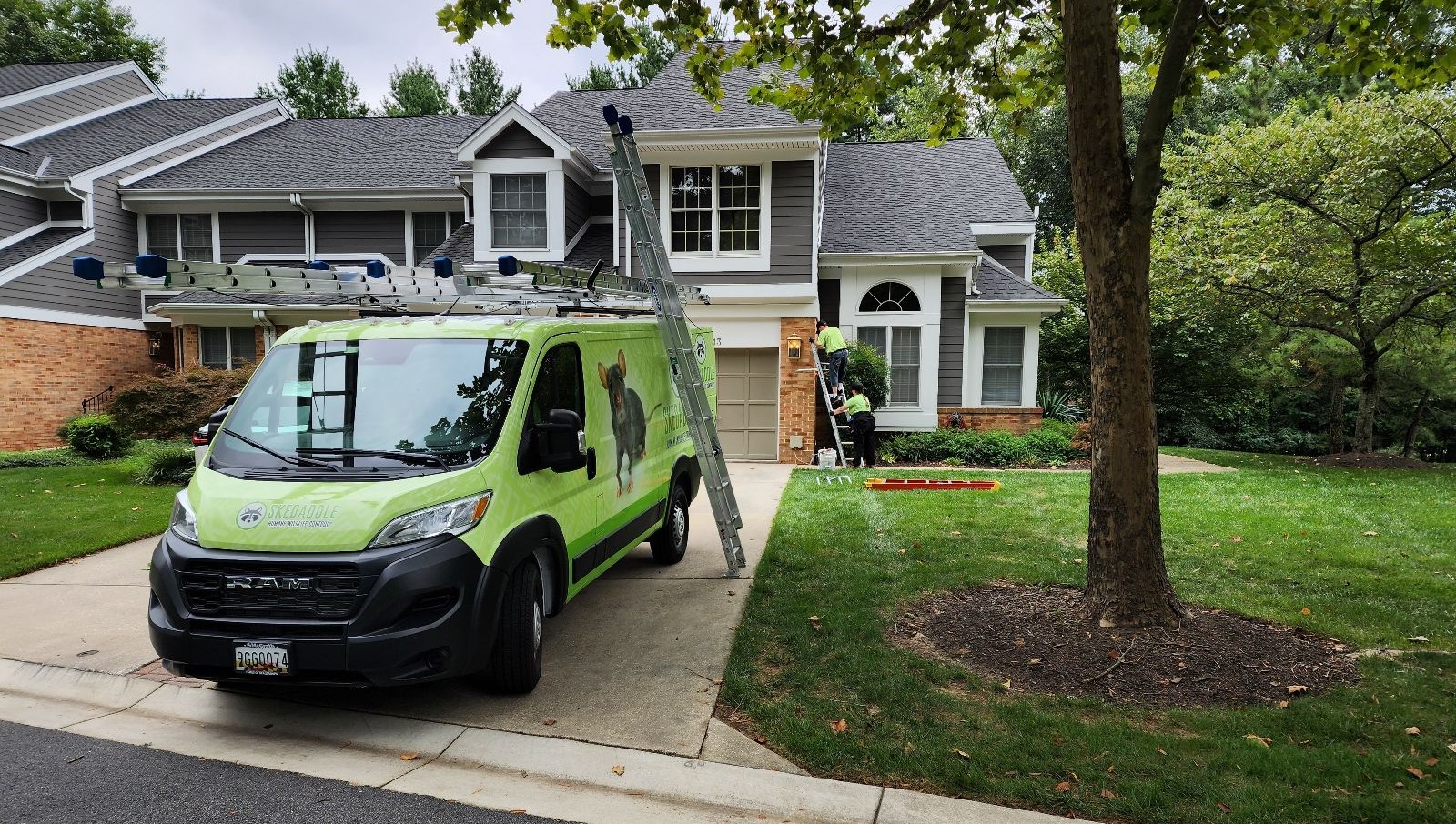
Year-Round Wildlife Activity: What to Expect
Wildlife activity changes with the seasons, as animals respond to temperature shifts, breeding cycles, and the search for reliable shelter. The region’s mix of older homes, urban areas, farmland, and green space gives animals plenty of opportunities to live close to people.
Niagara Fall Wildlife Prevention for Homes, Vineyards and Green Spaces
As temperatures drop across Niagara, wildlife searches harder for indoor shelter. Squirrels and raccoons work at gaps along rooflines and soffits, and mice and rats move in through openings around foundations, garages and utility lines as the harvest ends and outdoor food becomes harder to find. Homes near vineyards, orchards, waterways and wooded areas in St. Catharines, Niagara Falls, Welland and Grimsby often see activity rise quickly. Homeowners commonly notice more scratching and chewing sounds in the walls or ceiling, damaged vents and droppings in garages and basements.
Animals that get inside in the fall usually stay through the winter, damaging insulation, chewing wiring and contaminating attic spaces. Skedaddle’s humane wildlife control in Niagara starts with a full inspection of rooflines, vents and foundations, then removes animals safely, cleans affected areas and seals entry points so your home stays protected all winter.
Winter Shelter: Hidden Infestations Become Active
Winter often reveals existing wildlife problems as animals settle into attics, crawl spaces, garages, and basements for warmth. With less outdoor activity, sounds like scratching, gnawing, and movement inside walls and ceilings become more noticeable. Raccoons, mice, and bats are common winter intruders, and once inside, they can cause ongoing damage and contamination, making prompt removal and cleanup essential.
Spring Pressure: Nesting Season Drives Wildlife Indoors
Spring is the busiest time for wildlife activity as animals search for safe, sheltered spaces to give birth and raise their young. Raccoons, squirrels, birds, and skunks often move into attics, soffits, vents, sheds, and areas under decks.
Property owners may notice scratching sounds, baby noises, nesting debris, or repeated movement around rooflines and foundations. Because young animals are often present, humane removal requires careful handling to keep families together while preventing further damage and contamination.
Niagara Summer Wildlife Prevention for Homes, Vineyards and Green Spaces
Niagara’s summer season brings warm weather, busy outdoor spaces and increased wildlife activity around homes, gardens, sheds and rooflines. Raccoons, squirrels, skunks, bats, birds, mice and rats may move closer to properties while searching for food, shade and shelter. Homes near vineyards, orchards, waterways, wooded areas or older neighbourhoods may see more activity because wildlife has easy access to natural cover and food sources. Common warning signs include scratching in attic spaces, droppings, damaged vents, chewed materials, digging under decks and recurring animal traffic near the same entry point.
Skedaddle provides humane wildlife control in Niagara with a focus on safe removal and long-term prevention. Our technicians inspect the property, remove animals carefully, clean affected areas and secure vulnerable openings. With proactive summer protection, homeowners can reduce wildlife damage and help keep their living spaces safe, clean and comfortable.
Why Seasonal Awareness Matters
Seasonal wildlife patterns can reveal when animals are most likely to enter a property, where they may settle, and how urgent the response needs to be. Spring nesting pressure and fall shelter-seeking behaviour are especially important to monitor, but problems can begin in any season depending on the building and the surrounding environment. Staying alert to seasonal changes helps homeowners and businesses act sooner, protect vulnerable areas, and reduce the risk of repeat infestations.
Why Homeowners Trust Skedaddle for Wildlife Control
When wildlife moves in, you need a trusted partner with a proven, humane approach to get them out and keep them out.
- Local Expertise: Skedaddle has been helping property owners across the region for over three decades, with experience solving wildlife problems in older homes, newer developments, rural properties, and commercial buildings.
- Humane Methods: Our team uses humane removal techniques designed to protect both people and animals, including species-specific strategies and one-way doors that allow wildlife to leave safely without re-entering.
- Guaranteed Results: Skedaddle focuses on more than removal alone. We inspect the property, identify entry points, clear contamination or nesting debris where needed, and seal vulnerable areas to help prevent future problems.
- Award-Winning Service: Skedaddle’s team is known for professional, highly rated service and is described on its local content as an award-winning choice for homeowners who want the job done right.

Our Proven Humane Wildlife Removal Process
We follow a thorough, three-step process designed to solve wildlife problems at the source, protect your property from further damage, and ensure animals are removed as safely and humanely as possible.
Step 1. Inspect & Remove
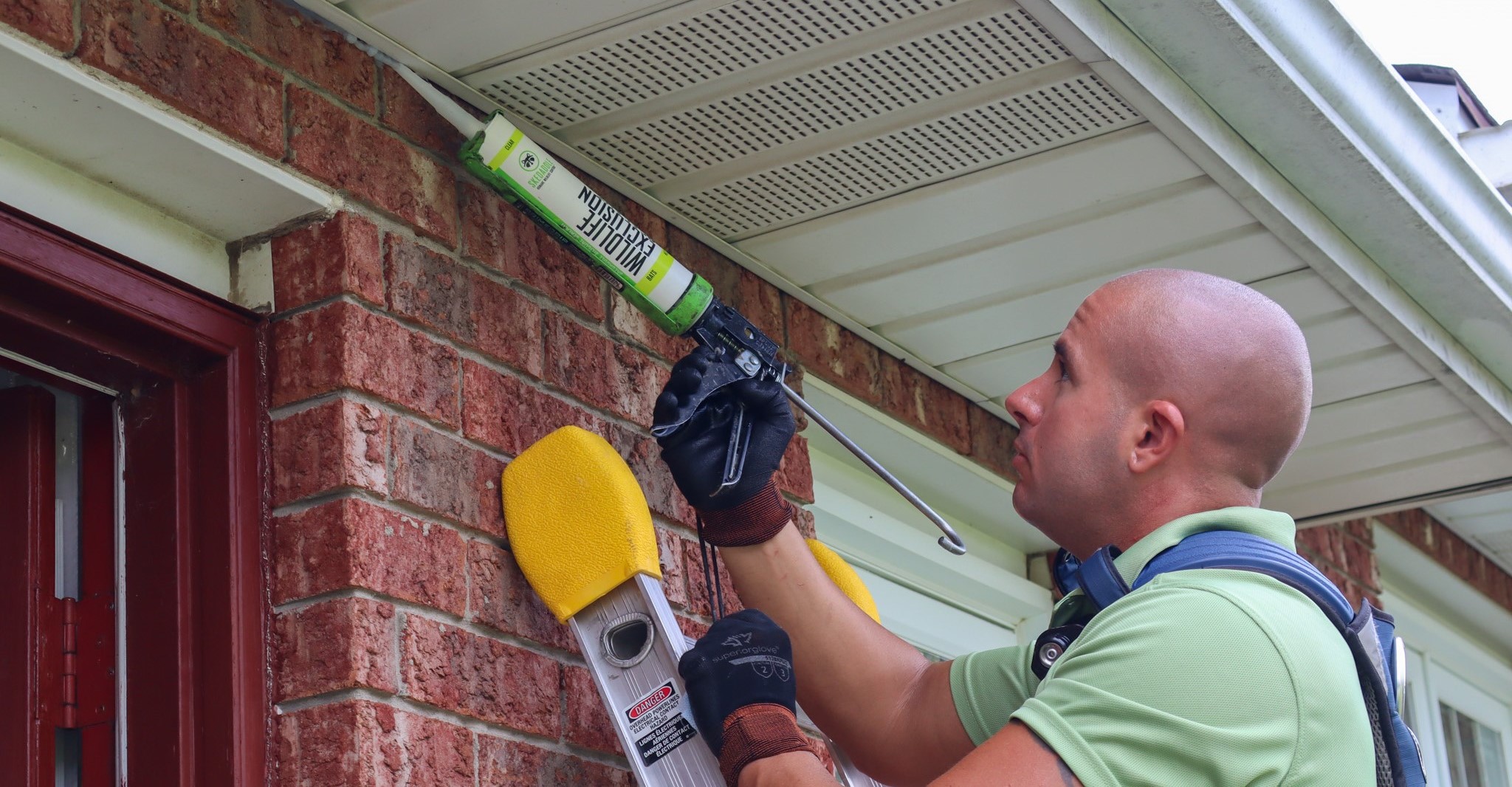
Every service begins with a detailed inspection of the property to determine how animals are getting in, where they are nesting, and what damage they may already be causing. Skedaddle technicians assess rooflines, soffits, vents, attics, crawl spaces, foundations, and other vulnerable areas, then tailor the removal plan to the species involved. That may include hands-on retrieval of young animals, one-way doors, or other humane techniques that allow wildlife to leave safely without returning.
This careful, species-specific approach helps ensure the problem is handled thoroughly rather than temporarily.
Step 2. Clear & Clean
Once the animals have been removed, the next step is addressing the mess they leave behind. Wildlife can contaminate attics, wall cavities, vents, and den sites with droppings, urine, nesting debris, and damaged insulation. Skedaddle removes contaminated materials where needed and cleans and sanitizes affected spaces to help reduce odours, health risks, and conditions that could attract other animals.
This step is especially important because the issue is not fully resolved when the animal is gone if unsafe or contaminated materials are left inside the property.
Step 3. Prevent & Protect
To keep wildlife from coming back, Skedaddle reinforces and secures vulnerable areas across the property after removal and cleanup are complete. Entry points are sealed and protected using durable exclusion materials, including heavy-gauge steel screening in high-risk areas such as roof vents, soffits, and other access points animals commonly exploit.
This final step is what turns removal into a long-term solution. Instead of only addressing the immediate problem, Skedaddle helps homeowners and businesses protect property against future intrusions with workmanship and materials backed by a lifetime warranty.

Health & Safety Risks of Wildlife in Homes and Businesses
Beyond property damage, wildlife inside a home or business can create serious health and safety concerns. In Niagara, public health guidance notes that mammals such as bats, skunks, raccoons, dogs, and cats can carry rabies, which is typically spread through bites or scratches and is almost always fatal once symptoms appear. Distemper is another concern for pets that come into contact with infected wildlife, especially raccoons.
Diseases: Direct contact with wildlife should always be taken seriously. A bite, scratch, or saliva exposure involving bats, raccoons, skunks, or other mammals may require immediate medical follow-up. Even when an animal seems calm or weak, it may still pose a risk to people or pets.
Droppings & Parasites: Feces and urine left behind in attics, crawl spaces, garages, or under decks can expose occupants to bacteria, parasites, and fungi. Raccoon feces can contain roundworm eggs, while bird and bat droppings have been associated with fungal illnesses such as histoplasmosis when contaminated dust becomes airborne during disturbance or cleanup.
Attic Contamination: Once insulation has been soiled by droppings, urine, and nesting debris, the problem can affect more than one room. Contaminated attic materials can contribute to persistent odours, poor indoor air quality, and the spread of dust and allergens through the home, which is why safe removal and proper cleaning are an important part of humane wildlife control.
Skedaddle Humane Wildlife Control is committed to helping homeowners and businesses solve wildlife problems safely, humanely, and with long-term prevention in mind. From removal to cleanup and exclusion, our team delivers solutions designed to protect both your property and your peace of mind.
Book An Inspection Today
If you’re hearing scratching in the attic, spotting droppings, or noticing damage around vents, soffits, or rooflines, it’s best to act quickly before the issue gets worse. For homeowners and businesses in the Niagara region of Ontario, Skedaddle offers humane wildlife removal backed by detailed inspections, professional cleanup, and effective long-term prevention. Book an inspection today with Skedaddle Humane Wildlife Control and take the first step toward protecting your property the right way.
Contact Skedaddle Humane Wildlife Control today for a consultation.
Discover More Wildlife Control Insights
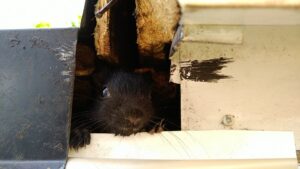
Why Squirrels Target Newly Renovated Homes
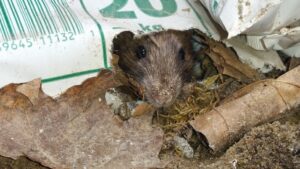
Rats In The City: How To Make Sure They Stay Out Of Your Business