






Skedaddle proudly serves neighbourhoods from Birch Cliff and Wexford to Agincourt, Guildwood, West Hill, Port Union, and Rouge, providing trusted wildlife removal, cleanup, and prevention backed by decades of humane experience.
Scarborough has a bit of everything: quiet residential streets, older homes, busy commercial areas, parks, ravines, and waterfront neighbourhoods. With places like the Scarborough Bluffs, Highland Creek, Rouge National Urban Park, and Lake Ontario nearby, wildlife has plenty of natural space to live and travel. Sometimes, animals like raccoons, squirrels, bats, birds, skunks, mice, and rats make their way into attics, chimneys, vents, garages, sheds, or businesses while looking for warmth, shelter, or a safe place to nest. Skedaddle understands the wildlife pressures property owners face and provides humane removal, thorough cleanup, and prevention solutions that help keep animals out for good.
The best way to remove wildlife from a Scarborough home
The best approach is professional humane wildlife removal that identifies entry points, safely removes animals, cleans contaminated areas, and seals vulnerabilities to prevent raccoons, squirrels, bats, birds, mice, rats, and skunks from returning.
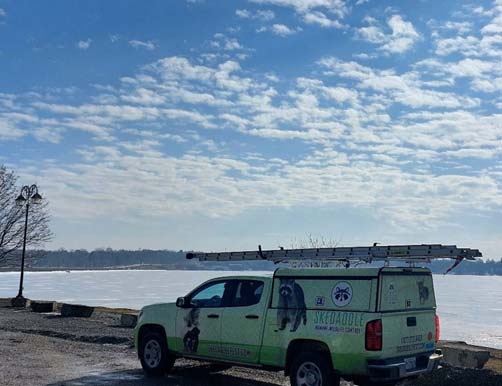


Wildlife Pressure Around Scarborough Homes and Businesses
Scarborough’s neighbourhoods give wildlife plenty of opportunities to find food, shelter, and nesting space. Older brick homes, townhouses, low-rise apartments, plazas, garages, sheds, roof vents, chimneys, and attached additions can all develop small gaps that animals use to get inside.
Seasonal weather also plays a big role. In spring, many animals look for safe places to raise young. In summer, activity increases around yards, gardens, garbage areas, patios, and rooflines. As fall and winter arrive, wildlife often searches for warmth inside attics, walls, basements, and crawl spaces. With ravines, parks, mature trees, and the waterfront nearby, property owners may notice more animal activity than expected, especially near quiet nesting areas or easy food sources.
Common wildlife problems include:
- Raccoons: Often enter attics, chimneys, soffits, garages, and sheds while searching for denning space.
- Squirrels: Can chew rooflines, vents, fascia, and soffits to reach warm attic spaces.
- Bats: May roost behind siding, vents, chimneys, roof gaps, and upper exterior openings.
- Mice and rats: Use small gaps around foundations, utilities, garages, and basements to move indoors.
- Skunks and birds: Skunks dig under decks, steps, and sheds, while birds nest in vents, ledges, signage, and roofline openings.
Acting early can make a big difference. A small wildlife issue can become more serious once animals start nesting, reproducing, contaminating insulation, chewing building materials, or creating additional entry points. The sooner Skedaddle inspects the property, the easier it is to remove the animals humanely, clean affected areas, and prevent the problem from spreading.
Seasonal Wildlife Activity in Scarborough
Scarborough Fall Wildlife Prevention for Homes Near Ravines and Green Space
In the fall, Scarborough’s wildlife looks for a secure, warm place to spend the winter. As temperatures drop, small openings around rooflines, foundations, vents and utility lines become more appealing to mice, rats, squirrels, bats and raccoons. Homes near the Scarborough Bluffs, Highland Creek and Rouge National Urban Park, and in neighbourhoods like Birch Cliff, Guildwood, West Hill and Agincourt, often see activity increase quickly. Homeowners commonly notice scratching in the walls or ceiling, damaged soffits, and droppings in basements, garages and storage spaces.
Animals that move in during the fall usually stay through the winter, damaging insulation and wiring and contaminating attic spaces. Skedaddle’s humane wildlife control in Scarborough starts with a full inspection of rooflines, vents and foundations, then removes animals safely, cleans affected areas and seals entry points so your home stays protected all winter.

Winter: Warmth Becomes the Priority
During winter, food is harder to find, and shelter becomes critical. Animals already inside a home may stay hidden in attics, walls, basements, or crawl spaces. Scratching, chewing, odours, and droppings should be addressed quickly before damage and contamination spread.
Seasonal wildlife activity can change quickly, but the goal stays the same: protect the property before a small issue turns into a larger infestation. Whether animals are nesting in spring, foraging in summer, searching for warmth in fall, or hiding indoors through winter, Skedaddle provides humane removal and prevention solutions designed for homes and businesses.
Spring: Nesting Season Begins
As temperatures rise, wildlife becomes more active. Raccoons, squirrels, birds, mice, and rats begin searching for safe nesting areas near food and water. Attics, chimneys, soffits, sheds, and garages can become attractive places for mothers raising young, especially in neighbourhoods near ravines, parks, and mature trees.
Scarborough Summer Wildlife Prevention for Homes Near Ravines and Green Spaces
Scarborough’s ravines, parks, waterfront areas and established neighbourhoods can make summer a busy time for wildlife activity. Raccoons may move along fences and rooflines, squirrels can access attics from nearby trees, and birds or bats may settle near vents, soffits and exterior gaps. Skunks may dig under decks and sheds, while mice and rats can take advantage of openings around foundations, garages and utility lines. Homeowners may notice droppings, scratching sounds, strong odours, damaged vents or nesting materials. Because wildlife often follows the same travel routes, early signs should not be ignored.
Skedaddle’s humane wildlife removal in Scarborough focuses on safe removal and long-term home protection. Our technicians inspect the full exterior, identify active and potential entry points, clean affected areas and install exclusion solutions. Summer is the ideal time to protect your home before small wildlife concerns become larger property issues.
Why Property Owners Trust Skedaddle
When wildlife gets into your home or business, you need more than a quick removal. You need a team that understands animal behaviour, property protection, and long-term prevention.
- Humane methods: Skedaddle focuses on safe removal techniques that protect both people and wildlife.
- Local experience: Our team understands the wildlife pressures common in neighbourhoods, from ravine-side homes to busy commercial areas.
- Complete service: We remove animals, clean contaminated areas, and seal entry points to help stop the problem from coming back.
- Long-term protection: Our prevention work is designed to defend vulnerable rooflines, vents, soffits, foundations, sheds, garages, and other common access points.
A Humane Wildlife Removal Process Built for Homes and Businesses
Skedaddle’s process is designed to solve the full problem, not just the signs you can see. We remove wildlife humanely, clean up the mess they leave behind, and protect your property against future entry.
Step 1: Inspect and Remove
Every service begins with a detailed property assessment. Skedaddle technicians inspect the exterior and interior areas where wildlife may be entering, nesting, travelling, or causing damage. This can include rooflines, vents, chimneys, soffits, foundations, garages, sheds, attics, crawl spaces, and wall voids. Once the activity and entry points are identified, we use humane removal methods tailored to the species involved. Our goal is to remove animals safely while reducing stress for homeowners, business owners, and the wildlife on the property.
Step 2: Clear and Clean
Wildlife can leave behind more than noise and damage. Droppings, urine, nesting materials, fur, food debris, odours, and damaged insulation can affect the safety and comfort of your home or business. After the animals are removed, Skedaddle clears affected areas and addresses contamination left behind. This step helps reduce health risks, lingering smells, and scent markers that may attract other animals. Proper cleanup is especially important in attics, crawl spaces, storage areas, garages, vents, and other enclosed spaces where wildlife activity can go unnoticed for weeks or months.
Step 3: Prevent and Protect
The final step focuses on keeping wildlife out for the long term. Skedaddle identifies and secures vulnerable areas that animals may use to get back inside, including roof gaps, vents, soffits, fascia, chimneys, foundation openings, utility gaps, deck spaces, and shed access points. We use durable exclusion materials designed to stand up to weather and animal pressure. This prevention work helps protect properties from repeat problems and gives homeowners and businesses greater confidence that the issue has been handled properly.
Skedaddle’s process gives property owners a complete solution from start to finish. By combining humane removal, careful cleanup, and professional prevention, our team helps protect your home or business while giving wildlife a safe way out and a better chance to stay outside where it belongs.

Health and Safety Concerns Linked to Wildlife
Wildlife inside a home or business can create concerns that go beyond noise or property damage. In enclosed spaces like attics, crawl spaces, wall voids, garages, vents, and basements, animals may leave behind droppings, urine, nesting materials, food debris, and odours. Over time, this can affect indoor comfort, air quality, and the condition of building materials. Skedaddle helps property owners address these risks through humane removal, careful cleanup, and prevention.
Disease Concerns
Raccoons, rodents, bats, birds, and other wildlife can carry bacteria, viruses, and parasites. Avoid direct contact with animals, droppings, nesting materials, or contaminated insulation.
Airborne Contaminants
Dry droppings, urine residue, nesting debris, and disturbed insulation can release particles into the air, especially during cleanup or renovation work.
Parasites
Wildlife can introduce fleas, mites, ticks, and other pests into attics, walls, garages, sheds, and living areas.
Attic and Insulation Soiling
Contaminated insulation can hold odours, moisture, bacteria, and pheromone scent markers that may attract future wildlife activity if not properly addressed.
Protect Your Scarborough Property With Humane Wildlife Control
Wildlife problems are easier to manage when they are handled early and professionally. Skedaddle provides humane wildlife removal, thorough cleanup, and long-term prevention for homes and businesses. If you suspect animals are inside or around your property, contact Skedaddle Humane Wildlife Control today to book an assessment.
Scarborough Insights
Baby Wildlife Season Isn’t Over: What to Do When You Hear Chirping, Scratching, or Crying in the Walls
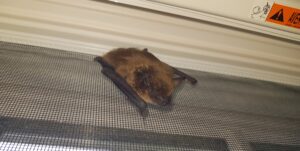
Why New Construction Homes Still Get Bats