




Humane and effective wildlife removal for homes and businesses backed by proven prevention that helps keep animals out for good.
Proudly serving Pickering and the surrounding Durham Region communities. Trust Skedaddle’s proven process to protect your property, reduce health risks, and restore peace of mind without harming wildlife.
Pickering blends Lake Ontario shoreline neighbourhoods, growing subdivisions, and nearby green corridors, a mix that naturally supports active wildlife populations. From raccoons travelling along ravines and creek systems to squirrels using mature trees as “highways” to your roofline, local animals are incredibly good at finding shelter where they shouldn’t. Even bats can take advantage of tiny gaps near vents and roof transitions.
As communities grow, people expand into the natural territory of many wild animals, so it’s common to find wildlife living in and around sheds, porches, garages, decks, and other structures. Skedaddle’s local teams understand these patterns and focus on humane removal, careful cleanup, and professional exclusion to protect properties long-term.
How do I know if I need professional wildlife removal in Pickering?
If you hear scratching or thumping in ceilings, find droppings, notice strong odours, or see damage around vents, soffits, or rooflines, it’s time to act. Wildlife problems often escalate quickly in breeding seasons. A professional inspection helps identify the species, entry points, and the safest long-term solution.
Common Wildlife Problems in Pickering
Seasonal shifts, cold winters, spring storms, humid summers, and fluctuating fall temperatures shape how wildlife behaves around buildings. In colder months, animals are motivated to find warm, protected shelter; in spring, breeding season increases pressure on attics, soffits, and wall cavities; and in late summer and fall, young wildlife becomes more mobile while adults prepare for cooler weather.
Proximity to natural areas like Petticoat Creek and other green spaces can increase the chances of wildlife activity near homes, especially where rooflines meet tree cover and where decks, sheds, and additions create sheltered voids.
Common issues we help with include:
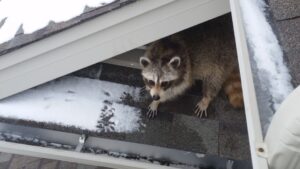
- Raccoon removal: Noises in the attic or garage; disturbed soffits or vents.
- Squirrel removal: Chewing on wires and insulation; scratching in walls or ceilings.
- Bat removal: Guano accumulation; chirping at dusk; activity near roof gaps.
- Bird & pigeon control: Nesting in vents, eaves, and signage ledges.
- Mice & rat control: Droppings in kitchens or basements; gnaw marks and odours.
What to watch for: Early signs of new stains near roof edges, repeated animal traffic along the same path, persistent scratching sounds, or droppings shouldn’t be ignored. Acting quickly can help prevent escalated damage, contamination, and harder-to-solve infestations (especially once young are present or when weather pushes wildlife deeper into the structure).
Seasonal Wildlife Activity
Wildlife problems don’t follow a neat calendar, but seasonal patterns make certain issues more likely at different times of year. Updating this section each season is a smart way to keep the page fresh while staying genuinely helpful for homeowners and businesses.
Pickering Fall Wildlife Prevention Before Winter
As temperatures drop in Pickering, wildlife becomes more determined to get inside. Squirrels test rooflines for weak spots, raccoons take advantage of worn soffits and loose vents, and mice and rats look for food and warmth through gaps around foundations and garages. Homes near the Lake Ontario shoreline, Petticoat Creek and Pickering’s ravines, along with growing subdivisions, often see this activity increase as the nights get colder. Homeowners commonly report scratching in the walls or ceiling, chewed vents and droppings in basements, garages and storage areas.
Animals that move in during the fall usually stay until spring, and the damage builds over the winter: torn insulation, chewed wiring and contaminated attic spaces. Skedaddle’s humane wildlife control in Pickering starts with a full inspection of rooflines, vents and foundations, then removes animals safely, cleans affected areas and seals entry points so your home stays protected all winter.
Winter: Hidden but Serious Problems
Winter issues are often quieter but more serious. Wildlife already inside can cause ongoing insulation damage, contamination, and noise, and rodents can become more noticeable as they move between wall voids and warmer interior areas. Winter is also when businesses can see increased rodent pressure near loading areas, utility rooms, and storage spaces. If you suspect activity, it’s worth addressing promptly—because once temperatures remain low, animals are motivated to stay put.
Spring: The Busy Season
Spring is the busiest season for many property owners because it aligns with breeding and nesting, plus the aftermath of winter wear on buildings. Freeze–thaw cycles and spring storms can loosen soffits, shift vent covers, and create small openings along rooflines. That’s exactly when animals like raccoons and squirrels start searching for sheltered den sites that are warm, dry, and safe from predators—often your attic, garage roof space, or wall cavities.
What to watch for in spring:
- Nighttime thumping or heavy movement overhead (often raccoons)
- Scratching, rapid scurrying, or daytime activity near roof edges (often squirrels)
- Fresh tearing, bent vent covers, or lifted shingles along the roofline
- Bird nest material near bathroom/kitchen vents or under eaves
- Pets fixating on a specific corner of a deck or shed (possible skunk/rodent denning nearby)
Spring is also when “quick fixes” can backfire. DIY sealing without a proper inspection can accidentally trap wildlife inside or separate mothers from their young. Skedaddle is prepared for spring realities with a timed, species-appropriate humane approach, careful entry-point assessment, and professional exclusion that addresses why animals chose your building in the first place, so the solution lasts beyond the season.
Summer: Surge in Wildlife Activity
In summer, young animals become more mobile and curious, increasing the chances of repeat entry attempts or new problem areas. You may notice more visible activity at dusk, more wildlife around patios and waste areas, and more bird pressure around vents and ledges. Warm months are also ideal for prevention work, sealing gaps and reinforcing vulnerable points before fall and winter raise the stakes.
Why Choose Skedaddle in Pickering
When wildlife moves in, you need a trusted partner with a proven, humane approach to get them out and keep them out.
- Local expertise: Our technicians understand the different neighbourhoods’ mix of mature trees, expanding subdivisions, and green corridors that can increase wildlife encounters.
- Humane methods: We remove animals safely and humanely, prioritizing the well-being of your family, your property, and the animals.
- Guaranteed results: We don’t stop at removal—we repair and reinforce entry points to reduce the chances of future intrusions.
- Award-winning service: Skedaddle is recognized for customer care and ethical wildlife handling, with a process designed for long-term protection.

Our Humane Wildlife Removal Process
We follow a thorough, three-step process that delivers a lasting solution to wildlife problems, protecting both your property and the animals.
Step 1. Inspect & Remove
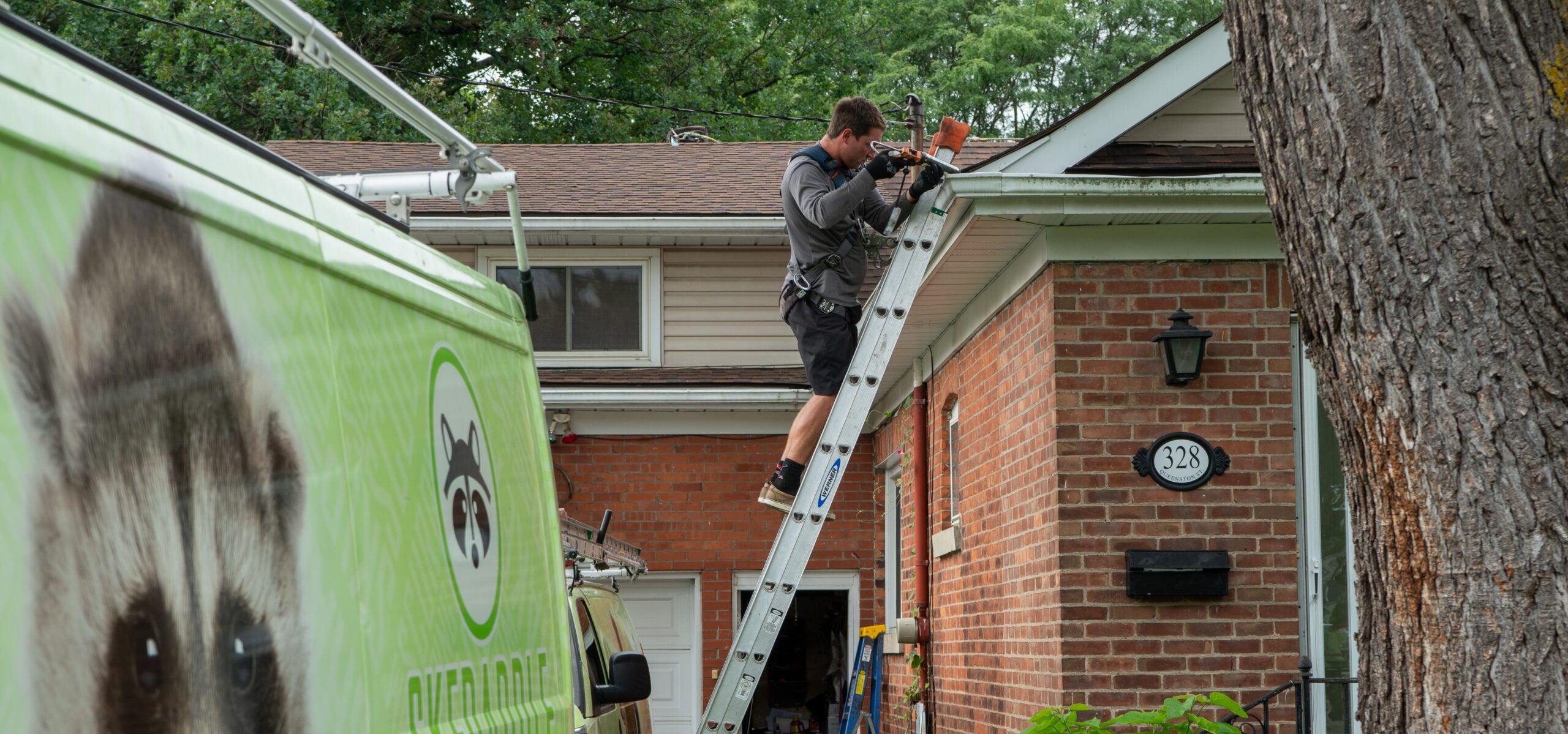
Every successful job starts with a complete inspection of the structure and surrounding conditions. We look for entry points along rooflines, vents, soffits, chimneys, foundations, decks, and additions, and we assess signs like rubbing marks, droppings, nesting material, and damage trails.
Based on the species and situation, we use hands-on, humane removal techniques designed to resolve the issue efficiently while reducing stress on animals. For businesses, we also evaluate service areas, rooftop access points, and recurring pressure zones (like waste storage and loading areas) to identify what’s attracting activity.
Step 2. Clear & Clean
Wildlife isn’t just a nuisance; contamination is a real concern. Droppings, urine, nest debris, and damaged insulation can impact indoor air quality and create ongoing odours that attract other animals. Our team removes hazardous materials safely and uses professional cleaning and sanitizing methods to help reduce bacteria and parasites. The goal is to restore the affected space so it’s safer for occupants and less appealing for future wildlife activity, especially in attics, crawlspaces, wall voids, and commercial storage areas.
Step 3. Prevent & Protect
Long-term protection depends on professional exclusion. We identify and seal entry points using durable materials (including heavy-gauge screening where appropriate) and reinforce vulnerable areas so animals can’t simply return through the same weakness. This is where many “removal-only” solutions fail—because if the building remains easy to access, wildlife will keep trying. Skedaddle’s approach focuses on closing the loop: remove the animal, restore the space, and harden the structure against re-entry.

Wildlife Health & Safety Risks in Pickering
Beyond property damage, wildlife inside your home or business can create serious health and safety concerns. Bites and scratches are an obvious risk, but contamination can be a bigger issue over time—especially in enclosed spaces like attics, crawlspaces, and wall cavities. Local public health guidance highlights that rabies is a serious viral disease most often transmitted to humans through the bite or scratch of an infected mammal or through contact with infected saliva, and that reservoirs in Canada can include raccoons, skunks, foxes, and bats.
Diseases (rabies, distemper, and exposure risk):
Any direct contact with wildlife—especially if an animal appears disoriented, aggressive, or unusually tame—should be treated seriously. Rabies is rare but high-consequence; once symptoms appear, it is almost always fatal, which is why prevention and prompt medical guidance after exposure matter.
Droppings & parasites (roundworm, bacteria, and more):
Feces and urine can spread bacteria and parasites. For example, raccoon latrines can contain eggs from raccoon roundworm (Baylisascaris), which can become infectious after time in the environment and persist under the right conditions. Safe removal and cleanup are important—especially in areas accessible to children and pets.
Attic contamination (air quality and lingering odours):
Contaminated insulation and debris can affect odours and indoor air quality, and smells can continue to attract other animals. If wildlife has been inside for any length of time, cleanup isn’t “extra”—it’s part of solving the problem properly.
Get Humane Wildlife Removal —Book an Inspection
If you’re hearing scratching in the attic, noticing droppings, or seeing damage around vents, soffits, or rooflines, don’t wait for the problem to grow. Skedaddle provides humane wildlife removal for homeowners and businesses, with thorough inspections, professional cleanup, and proven prevention. Contact Skedaddle Humane Wildlife Control today for a consultation and protect your property with long-term results.
Discover More Wildlife Control Insights
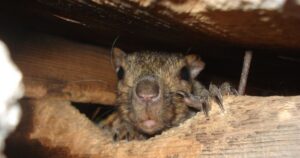
Sharing the Attic: Can Multiple Wildlife Species Live Together?
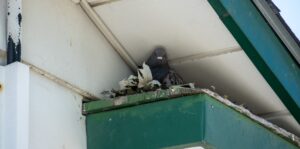
Hearing Birds In Your Roof? Here‘s What You Need To Do