


Humane, effective wildlife removal for homes and businesses.
Proudly serving Whitby with humane wildlife control backed by a proven process, local experience, and long-term protection for residential and commercial properties.
Whitby offers a mix of established neighbourhoods, growing commercial areas, green spaces, and a well-known waterfront setting that makes the community appealing to both people and wildlife. The town’s connection to natural areas and urban development creates plenty of opportunities for animals such as raccoons, squirrels, bats, birds, and rodents to settle a little too close for comfort. When they move into attics, soffits, garages, walls, or under decks, the problem can quickly shift from nuisance to damage and contamination.
Skedaddle Humane Wildlife Control brings property owners a humane, experienced approach tailored to the local environment and the way wildlife behaves here.
Professional Wildlife Removal Services in Whitby
Professional wildlife removal services in Whitby help homeowners and businesses safely remove raccoons, squirrels, bats, birds, and rodents using humane, effective methods. Experts also identify entry points, clean contaminated areas, and prevent future infestations, making the solution safer, more thorough, and longer-lasting than do-it-yourself wildlife control.
Wildlife Problems Property Owners See Most Often
Whitby’s seasonal weather patterns play a major role in wildlife activity. As temperatures drop, animals look for warmth, shelter, and safe nesting spaces inside attics, wall cavities, garages, and crawl spaces. In spring, many species begin nesting and raising young, which often makes homes and commercial buildings especially attractive. Warmer months bring more visible movement around rooflines, vents, decks, and waste storage areas, while fall often triggers a renewed push indoors before winter sets in.
In a community shaped by neighbourhood growth, natural corridors, and nearby green space, these wildlife pressures can affect both homeowners and businesses. Early signs are easy to miss at first, but they often point to a much larger issue hidden behind walls, above ceilings, or beneath structures.
- Raccoon removal: Noises in the attic, soffits, roof edges, or garage.
- Squirrel removal: Chewed wiring, damaged insulation, and scratching in walls.
- Bat removal: Guano buildup, staining, or chirping near the roofline.
- Bird and pigeon control: Nesting in vents, eaves, signs, and ledges.
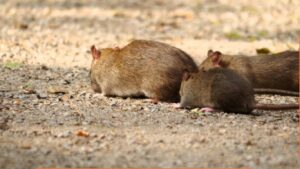
- Mice and rat control: Droppings, gnaw marks, and activity in kitchens or basements.
If you notice scratching sounds, droppings, nesting debris, strong odours, or repeated animal sightings near the same part of your property, it is important to act quickly. Wildlife problems rarely stay contained. A small entry point can lead to damaged insulation, contaminated attic spaces, fire hazards from chewing, and growing health risks for everyone inside.
Seasonal Wildlife Patterns Every Property Owner Should Know
Whitby Fall Wildlife Prevention Before Winter
In the fall, Whitby’s wildlife looks for warm, enclosed shelter before winter arrives. Squirrels test weak areas of the roof, raccoons often return to familiar denning spots in attics and chimneys, and mice and rats find their way in through small gaps around foundations and garages. Many hidden wildlife problems begin at this time of year, because animals settle in quietly and go unnoticed until the damage is done. Homeowners commonly hear scratching in the walls or ceiling in the early morning or evening, or notice chewed soffits, damaged vents and droppings in basements and storage areas.
Animals that get inside in the fall usually stay through the winter, damaging insulation, chewing wiring and contaminating attic spaces. Skedaddle’s humane wildlife control in Whitby starts with a full inspection of rooflines, vents and foundations, then removes animals safely, cleans affected areas and seals entry points so your home stays protected all winter.
Winter: Cold Weather Pushes Wildlife Deeper Inside
During winter, wildlife already inside a building becomes more noticeable because animals spend more time sheltered indoors. Homeowners often hear scratching, movement, or gnawing sounds in attics and walls, especially during colder stretches. Rodent activity can increase in basements, utility rooms, kitchens, and storage areas. Wildlife entry points that seemed minor in milder weather can cause major problems once snow, wind, and freezing temperatures push animals to stay inside.
Spring: Baby Season Drives Indoor Nesting
Spring is the busiest season for many wildlife issues. As temperatures rise, animals become more active and start searching for safe places to give birth and raise their young. Attics, soffits, chimneys, wall voids, and spaces beneath porches or sheds offer warmth and protection, making them ideal nesting and denning sites.
This is especially common with raccoons and squirrels. Female raccoons may enter through damaged roof vents, loose soffits, or weak roof edges to create dens for their babies. Squirrels often use roof intersections, vents, and small gaps in construction to build nests near insulation and framing. Birds also begin nesting in vents, eaves, and ledges, while bats return to familiar roosting areas.
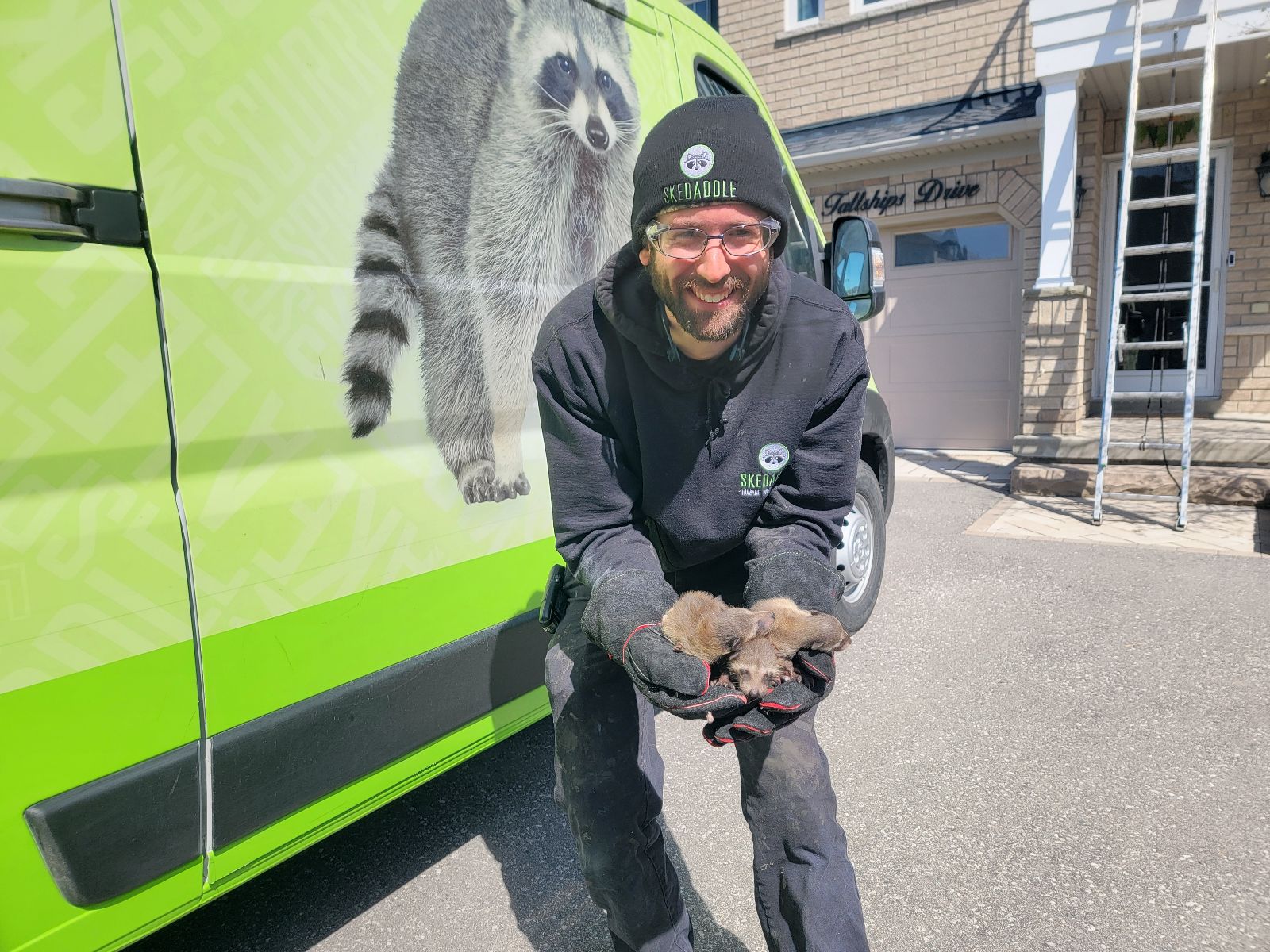
Spring wildlife problems need careful handling because young animals may already be inside. Removal must be humane, keep mothers and babies together, and address the entry points that allowed the problem in the first place.
Summer: Warm Weather Keeps Wildlife on the Move
Summer remains active, particularly as young animals begin moving around more independently. Homeowners may hear increased activity in ceilings or walls as juvenile raccoons or squirrels grow and explore. Bats can also be more noticeable in warm weather, especially near upper roof gaps and attic spaces. Around restaurants, waste areas, patios, and commercial buildings, birds and rodents may become more persistent if food or shelter is easily available.
Summer is also an excellent time to identify and fix vulnerable areas before colder weather makes indoor spaces even more attractive.
Why Homeowners and Businesses in Whitby Choose Skedaddle
When wildlife moves in, you need a trusted partner with a proven, humane approach to get them out and keep them out.
- Local expertise: Our technicians understand the wildlife pressures that affect homes and businesses through every season.
- Humane methods: We remove animals carefully and responsibly, with techniques designed to protect both wildlife and your family.
- Guaranteed results: Our service goes beyond removal by addressing damage, securing vulnerabilities, and helping prevent re-entry.
- Award-winning service: Skedaddle is recognized for professional care, ethical wildlife handling, and a strong customer experience.
- Long-term protection: We focus on permanent exclusion, not temporary fixes that leave properties vulnerable.
Skedaddle has built its reputation on humane wildlife control, detailed inspections, and permanent prevention. The Whitby location highlights humane wildlife control services for raccoons, squirrels, bats, birds, skunks, mice, and rats, and notes the company’s lifetime guarantee on workmanship and materials used to keep wildlife out.

A Humane Process Built for Long-Term Protection
We follow a thorough, three-step process that delivers a lasting solution to wildlife problems while protecting your property and respecting the animals involved.
Step 1. Clear & Clean
Every successful wildlife removal job starts with a detailed inspection. Our team assesses the full exterior and interior of the property to identify entry points, nesting or denning areas, contamination, and damage. We look closely at rooflines, soffits, vents, chimneys, siding transitions, decks, garages, and foundation gaps because wildlife rarely uses just one obvious opening.
Once we understand the full scope of the problem, we apply species-specific, hands-on removal techniques. That may involve safely removing young animals from an attic, encouraging adult animals to exit, or addressing bird, bat, or rodent activity in a way that is humane and effective. The goal is not just fast removal, but correct removal.
Step 2. Safe Removal Using One-Way Doors
After the animals are removed, the next priority is dealing with the mess they leave behind. Wildlife droppings, urine, nesting material, fur, and contaminated insulation can create serious health concerns and lingering odours. In attic spaces, these materials can reduce insulation performance and affect indoor air quality throughout the home or business.
Our team removes hazardous debris, clears damaged materials, and sanitizes affected areas to reduce bacteria, odours, and parasite-related risks. Cleaning is a critical step because wildlife problems do not truly end when the animal leaves. The contamination and damage left behind can continue to affect the property long after the initial intrusion.
Step 3: Prevent & Protect
Long-term protection is what separates a real solution from a temporary one. Once removal and cleaning are complete, we seal and reinforce entry points using durable materials, including heavy-gauge screening where needed. Vulnerable construction gaps, roof vents, soffits, and other access points are secured to prevent animals from returning.
This step is tailored to the building and the species involved, because raccoons, squirrels, birds, bats, and rodents all exploit structures differently. By combining professional repairs with proven exclusion methods, we help ensure your home or business stays protected well beyond the initial service call.

Health and Safety Risks You Shouldn’t Ignore
Wildlife in your home is not just a structural problem. It can also create serious health and safety concerns for your family, staff, customers, and pets. Animals living in attics, walls, crawl spaces, and under structures leave behind contaminants that may spread through the property over time. They can also create hazards through biting, scratching, chewing, and repeated use of the same nesting or travel areas. The longer the issue continues, the greater the potential for contamination, odour, and property damage.
Diseases: Some wild animals can carry diseases such as rabies or distemper, creating risk through bites, scratches, or direct contact. Even when direct interaction does not occur, the presence of an infected animal in or around a property should be taken seriously.
Droppings and parasites: Wildlife feces and urine can contain harmful bacteria and parasites. Raccoon droppings, for example, may carry roundworm, while rodent activity can contaminate surfaces, food storage areas, and hidden spaces throughout a building.
Attic contamination: Once insulation becomes soiled with urine, droppings, nesting material, and organic debris, it can affect air quality in the living space below. Contaminated attic environments may also hold odours and attract future wildlife activity if they are not properly cleaned and restored.
Protect Your Property With Humane Wildlife Control
Skedaddle Humane Wildlife Control is committed to humane wildlife removal and long-term protection for homeowners and businesses. From careful removal to cleaning, restoration, and prevention, our team delivers solutions designed to keep wildlife out for good. Contact our Skedaddle team today for a consultation.
Discover More Wildlife Control Insights
How Drain Pipes Could Be A Highway Into Your Home
Inside the Mind of a Squirrel: What Makes Your Home Their Top Pick?